
Disclosure: As an Amazon Associate I earn from qualifying purchases. How this site works
Choosing a Warm Coat
The warmest coat is not always the best one — the right coat matches your climate, your commute and how you dress.
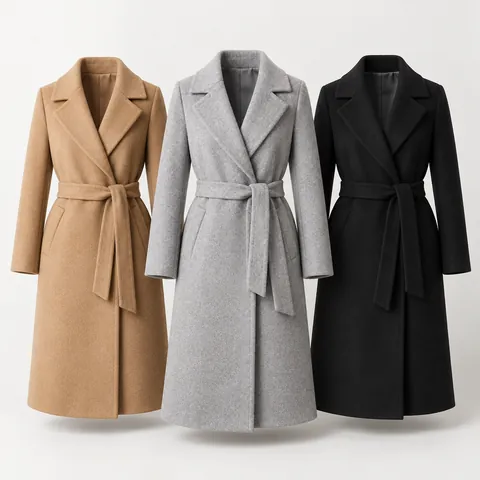 Women’s wool coats
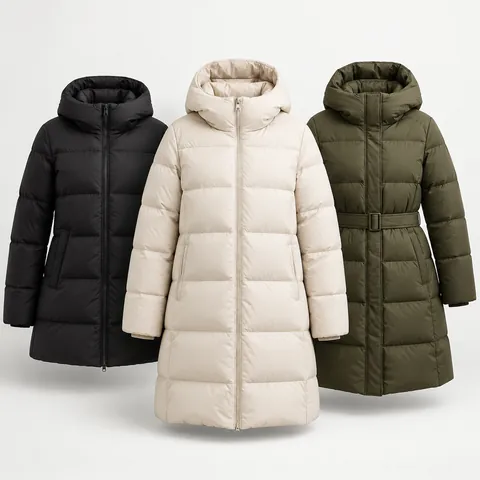 Women’s puffer and down coats
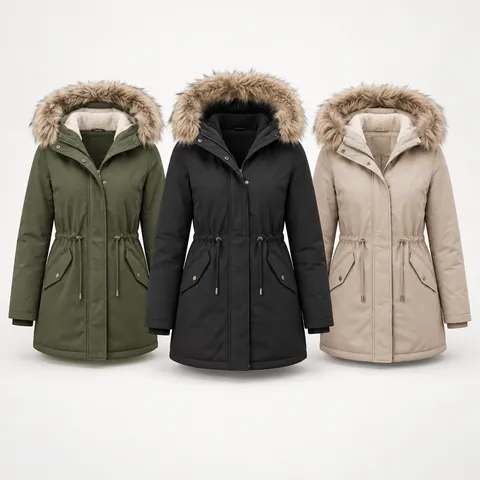 Women’s parkas
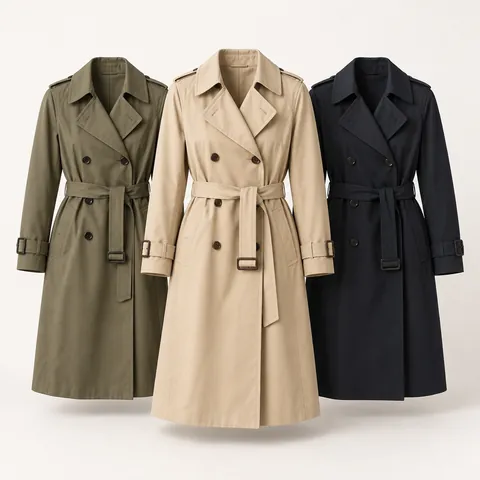 Trench coats
Match the coat to your conditions
| Conditions | Look for |
|---|---|
| Cold and dry | Down or synthetic puffer, mid-thigh or longer |
| Cold and wet | Waterproof insulated parka with taped seams and hood |
| Windy | Windproof shell or dense wool, high collar |
| Mild and rainy | Waterproof trench or rain jacket with layers underneath |
| Long outdoor waits (school runs, commuting) | Knee-length insulated coat |
Compare parkas and puffer coats and check the fill type and weight listed by the merchant.
Features worth having
- Adjustable hood that moves with your head.
- Two-way zip for sitting and walking in long coats.
- Storm flap over the zip.
- Inner cuffs or adjustable sleeve tabs.
- Fleece-lined pockets.
Checklist
- Warmth suited to your coldest regular days.
- Waterproof if you walk in rain or snow.
- Fits over your usual layers.
- Length suits your commute.
- Care instructions you can live with.
- Return policy in case the fit is wrong.
How warm should a women’s winter coat be?
Start with your coldest normal day, not the coldest day you can imagine. A coat that is perfect for standing outside in January may feel bulky and sweaty if most of your winter is spent walking from a parking lot to a heated office. The right warmth level depends on temperature, wind, wet weather, how long you stay outside, and whether you run warm or cold.
Activity matters as much as the forecast. If you walk fast, shovel snow, or climb stairs during your commute, you can use a slightly lighter coat with breathable layers underneath. If you wait at a bus stop, supervise kids outside, or sit in an unheated rink, choose more coverage and more insulation because your body is producing less heat.
A practical rule: choose the coat that handles your regular winter routine with one normal base layer and one sweater or fleece. If it only works with several thick layers, it may be too light. If you overheat every time you enter a store or subway platform, it may be too warm or not breathable enough for your daily use.
Down, synthetic, wool, or parka: which coat type is warmest?
Warmth comes from trapped air, wind protection, and coverage. Down is very warm for its weight, synthetic insulation keeps more loft when damp, wool blocks some wind and still insulates when slightly wet, and parkas combine insulation with protective outer shells. The best choice is usually about weather exposure, not just the insulation label.
| Coat type | Best for | Trade-offs to know |
|---|---|---|
| Down puffer | Cold, dry weather and anyone who wants warmth without much weight | Needs a protective shell or water-resistant finish in wet snow or rain; check care instructions carefully |
| Synthetic puffer | Damp cold, mixed weather, and easier care | Usually a little heavier or bulkier than down at the same warmth level |
| Insulated parka | Wet snow, wind, long waits, and harsh commutes | Can feel heavy indoors and may be more coat than needed for mild winters |
| Wool coat | Dressier work outfits, city wear, and dry cold | Warmth depends on fabric weight, lining, and closure; many are not waterproof |
| Trench or rain shell with layers | Mild rainy winters and travel | Not enough by itself for true cold unless layered with insulation |
If you want low bulk for cold, dry days, compare women’s puffer and down coats. For wet, windy, or snowy conditions, look at women’s parkas with an insulated body, a protective shell, and a hood. For a polished coat over office clothes, women’s wool coats can work well in dry cold if the weave is dense and the front closure does not gape.
Do not judge warmth by puffiness alone. A very puffy fashion coat may have less usable insulation than a slimmer technical coat with a better shell, tighter cuffs, and a higher collar. Also look for baffles that keep insulation evenly spread; flat or empty areas can become cold spots.
What length winter coat is best for women?
Length changes both warmth and mobility. A hip-length coat is easier for driving, active errands, and mild winter days, but it leaves more of your legs exposed. A mid-thigh coat gives a good balance for commuting because it covers the hips and upper legs without feeling too restrictive. Knee-length and longer coats are warmer for standing still, walking in wind, or wearing skirts and dresses.
Think about where the hem hits when you sit down. A long coat with a two-way zipper or side snaps is easier in a car, on stairs, or on public transit because you can open the bottom for stride room. Without that feature, a long coat can pull across the lap, ride up, or strain the zipper.
Petite shoppers should check sleeve length, pocket placement, and where the waist shaping lands, not just the overall length. Tall shoppers should check that the sleeves still cover the wrists when arms are extended and that the waist seam is not too high. Curvy shoppers may get a better fit from coats with adjustable waists, A-line shapes, or side vents that allow room at the hips.
How should a winter coat fit over sweaters?
A warm coat should fit close enough to seal out drafts but loose enough to preserve the loft of the insulation. If the coat compresses a down or synthetic fill layer tightly across the chest, shoulders, or upper arms, it will feel colder and restrict movement. Wool coats can also pull at the buttons if there is not enough room over a sweater.
Use this fitting check when trying on a coat:
- Wear the kind of top you normally wear in winter, such as a sweater, blazer, or fleece.
- Zip or button the coat fully, including the neck or top button if you plan to use it in cold weather.
- Raise both arms forward as if holding a steering wheel. The shoulders should not pinch and the sleeves should not expose your wrists.
- Cross your arms and reach for the opposite shoulder. You should feel resistance from the fabric, not tight pulling at the back seam.
- Sit down for at least a minute. Check whether the hem rides up, the zipper waves, or the buttons gap.
- Put your phone, keys, and gloves in the pockets. Make sure the coat still hangs correctly and the pockets are easy to reach.
- Turn your head with the hood up. A good hood should not block side vision or pull the collar into your chin.
If you are between sizes, decide based on the tightest area, not the size label. For puffers and parkas, the shoulders and hips are often the deciding points. For wool coats, the bust, buttons, and sleeve length tend to matter most. If a coat fits everywhere except one area, a different cut is usually better than sizing up so much that the rest of the coat feels sloppy.
What details matter for snow, slush, and wet sidewalks?
For wet winter weather, the outer fabric is as important as the insulation. Water-resistant fabric can shed light snow or brief drizzle, but it is not the same as a waterproof shell. If you regularly walk in heavy wet snow, freezing rain, or slush, look for waterproof fabric, sealed or taped seams, and a hood that can cinch close to the face.
Check the closures. A front zipper alone can leak cold air, especially in wind. A storm flap, snap placket, or covered zipper reduces drafts. At the sleeves, inner knit cuffs or adjustable tabs help keep snow from sliding in when you carry bags, scrape a windshield, or hold an umbrella.
Dark hems hide road splash better than pale colors, and a smooth outer shell is easier to wipe clean than fuzzy fabric. If you use a backpack or shoulder bag, look for durable fabric at the shoulders and hips because straps can rub delicate finishes. Always read the care label before buying; some coats are machine washable, while others need professional cleaning or special drying to restore loft.
Frequently asked questions
What is the warmest type of winter coat for women?
For many cold climates, the warmest practical option is an insulated parka with good coverage, a wind-blocking shell, a hood, and secure cuffs. A long down puffer can also be very warm in dry cold. In wet climates, synthetic insulation or a waterproof insulated parka is usually more dependable than untreated down.
Should I size up in a women’s winter coat?
Size up only if your normal size compresses your layers or restricts movement. Try the coat over your usual winter sweater and test reaching, sitting, and zipping all the way up. A coat that is too large can let cold air enter at the hem, cuffs, and neckline.
Is water-resistant good enough for a winter coat?
Water-resistant is often enough for dry snow, brief drizzle, and short walks from the car. If you spend time in wet snow, heavy rain, or slushy conditions, waterproof fabric and sealed seams are more reliable. The product description should clearly say waterproof if that is what you need.
Can a wool coat be warm enough for winter?
Yes, a wool coat can be warm enough for dry, moderate winter weather, especially if it is thick, fully lined, and cut to close at the neck. It is usually less protective in wet snow or strong wind unless the weave is dense and the design has a high collar and secure closure. For long outdoor waits, an insulated coat is often easier to rely on.
How do I keep a puffer coat warm after washing?
Follow the care label first, because construction and insulation vary. In general, insulation needs to dry fully and regain loft before the coat will feel warm again. Avoid storing puffers compressed for long periods, since flattened insulation traps less air.
Disclosure: As an Amazon Associate I earn from qualifying purchases. This site may earn a commission when you buy through its links, at no extra cost to you. Product details come from public manufacturer information; always check the merchant page for current specifications and prices. We have not hands-on tested the products described here.