
Disclosure: As an Amazon Associate I earn from qualifying purchases. How this site works
Down vs Synthetic Insulation
Down and synthetic fills both make warm coats, but they behave differently in the rain, in the wash and in your bag.
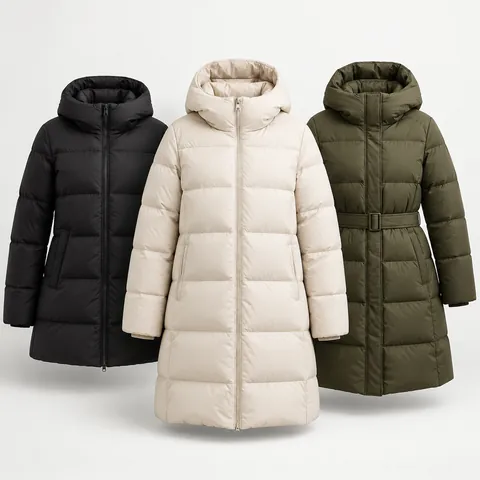 Women’s puffer and down coats
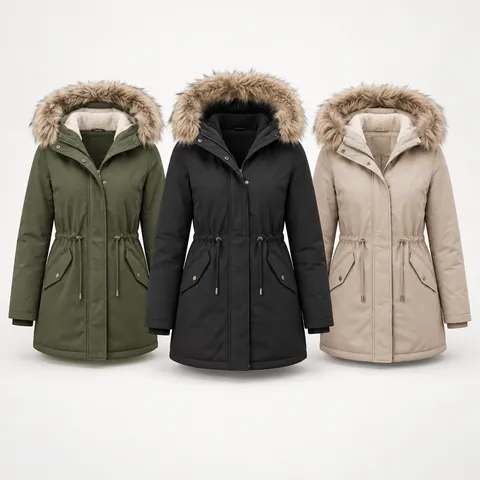 Women’s parkas
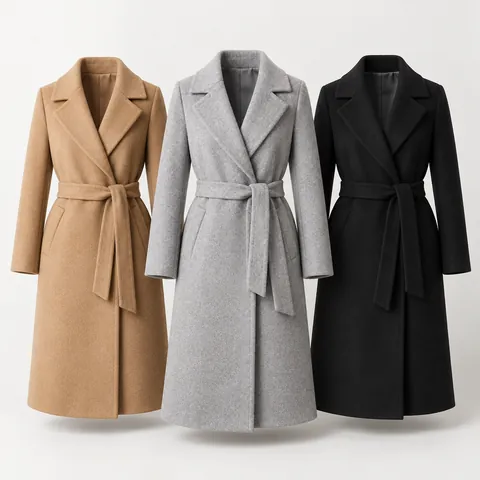 Women’s wool coats
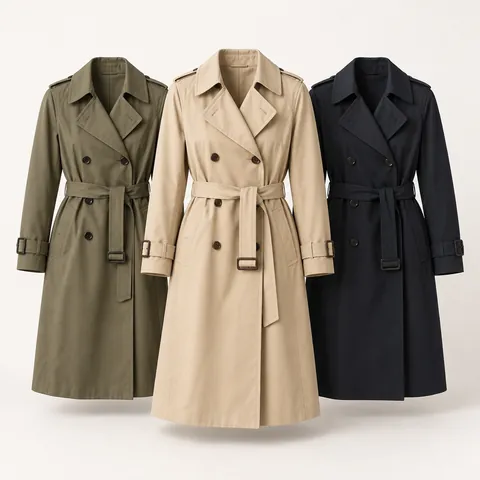 Trench coats
Side by side
| Down | Synthetic | |
|---|---|---|
| Warmth for weight | Excellent | Good |
| When wet | Loses loft unless treated | Keeps more warmth |
| Packability | Very compressible | Bulkier |
| Longevity | Long-lasting with care | Loft can decline over years |
| Care | Special washing and drying | Usually easy to wash |
| Price | Higher | Lower |
Which to choose
- Choose down for cold, dry climates, travel and maximum warmth for weight.
- Choose synthetic for damp climates, active use, easy care or a lower budget.
- Hybrid coats place synthetic fill where moisture collects and down elsewhere.
Compare puffer coats and read the fill details on the merchant page.
What do fill power, fill weight and loft mean?
Down coat listings often mention fill power, but that number is only one part of warmth. Fill power describes how much space the down can loft into for its weight. Higher-loft down can trap more air with less weight, which is why it is popular in lightweight winter coats and packable puffers.
Fill weight is the amount of insulation used in the coat. A jacket with very high fill power but very little fill may feel lighter than expected, while a coat with moderate fill power and more fill can feel warmer for everyday wear. If a listing gives both numbers, read them together instead of assuming the highest fill power is automatically the warmest choice.
Synthetic insulation is usually described by type, construction or grams per square meter rather than fill power. A higher synthetic insulation weight usually means more warmth and more bulk, but the face fabric, lining, quilting pattern and coat length also matter. For real use, compare the whole coat: fill, shell fabric, hood, cuffs, zipper protection and how much of your body it covers.
- For commuting, a longer coat can matter as much as the insulation because it covers your hips and upper legs.
- For travel, compressibility and weight may be more important than maximum warmth.
- For walking in wet snow or cold rain, synthetic fill or a weather-resistant shell can be easier to live with.
- For very cold, dry days, high-loft down is hard to beat if the coat seals out drafts.
How warm a coat do you actually need?
There is no single warmth rating that works for everyone. A coat that feels warm while standing at a bus stop may feel too hot on a brisk uphill walk. Start with your normal winter routine, not the coldest day of the year. Think about whether you mostly commute, walk the dog, travel, drive, hike or sit outdoors.
| Use case | What to prioritize | Insulation notes |
|---|---|---|
| City commuting | Length, hood, wind protection, easy pockets | Down or synthetic can work; choose more coverage if you wait outside |
| Wet coastal winter | Water-resistant shell, quick drying, easy care | Synthetic or hybrid fill is often more practical |
| Cold dry climate | High loft, draft-blocking cuffs, insulated hood | Down is efficient when moisture is not a daily issue |
| Active walking or errands | Breathability, lighter weight, two-way zipper | Too much insulation can overheat; synthetic handles sweat better |
| Travel | Packability, wrinkle resistance, versatile style | Down packs smaller; synthetic may be simpler if laundry is limited |
Fit changes warmth, too. A coat should leave room for a sweater without squeezing the insulation flat. If the shoulders pull, the sleeves ride up or the front gaps when zipped, cold air will get in. If the coat is oversized, drafts can enter at the hem and cuffs unless those areas can be adjusted.
How should you compare down and synthetic coat details online?
Product photos rarely tell the whole story. Before buying, scan the specifications and close-up images for the construction details that affect comfort. Small features can make a noticeable difference in daily wear, especially in wind, wet snow and freezing mornings.
- Check the outer fabric first. Look for words such as water-resistant, wind-resistant or waterproof, and note that water-resistant does not mean waterproof.
- Look at the hood. An insulated hood, high collar and adjustable opening help prevent heat loss around the head and neck.
- Inspect the zipper area. A storm flap or zipper garage reduces drafts and keeps the zipper from rubbing the chin.
- Review the quilting pattern. Narrow quilting can limit insulation movement but may create more stitch lines where heat can escape. Wider baffles can feel loftier but may look bulkier.
- Read the pocket description. Fleece-lined hand pockets, interior pockets and secure closures matter if you commute or travel.
- Check the sleeve cuffs. Knit cuffs, snaps, hook-and-loop tabs or elastic help seal out cold air.
- Confirm the care label. If you do not want special drying steps, synthetic may be the easier choice.
For a broad starting point, browse women's puffer and down coats and compare the insulation, shell fabric and length rather than choosing by appearance alone. If you need more coverage for harsh weather, compare women's parkas with insulated hoods and longer hems.
What are the main comfort trade-offs?
Warmth is not the only comfort factor. Down usually feels soft, lofty and light for its warmth, which is helpful if you dislike heavy outerwear. Synthetic insulation often feels slightly denser, but it can be less fussy when exposed to moisture from weather or sweat.
Noise can matter if you are sensitive to fabric sounds. Some lightweight shells crinkle, especially on packable coats. Heavier face fabrics may feel quieter and more durable, but they can add weight and reduce compressibility. If possible, read reviews for comments about fabric feel, stiffness and rustling, while remembering that fit and climate vary by person.
Breathability is another trade-off. Very warm coats can trap heat during errands, subway rides or fast walks. A two-way front zipper, underarm ventilation, lighter insulation or a less sealed hem can help if you often move between indoors and outdoors. If you run cold and spend time standing still, those same features may be less important than maximum draft protection.
Style affects usefulness as well. A short puffer may be convenient in the car, while a knee-length coat adds coverage for skirts, dresses and cold sidewalks. A slim coat may look polished but leave less room for layers. A relaxed cut may be warmer with sweaters but can feel bulky at a desk or behind the wheel.
How do you wash and store each type of coat?
Always follow the care label first. Down and synthetic coats can both be damaged by high heat, harsh detergents or improper drying. Empty pockets, close zippers and fasten snaps or hook-and-loop tabs before washing so they do not catch on the fabric.
Down needs careful drying because damp clumps reduce loft and can develop odor. Use a down-specific wash if the label allows machine washing, and dry thoroughly on low heat. Clean dryer balls or tennis balls can help break up clumps, but the key is patience: down often takes longer to dry than it looks.
Synthetic coats are usually more forgiving, but they still should not be overheated. Use a gentle cycle if permitted and dry according to the label. If insulation mats down, shake the coat and let it finish drying completely before storing.
- Do not store either type compressed for months; hanging or loosely folding helps preserve loft.
- Make sure the coat is fully dry before putting it away for the season.
- Spot clean cuffs, collars and pocket edges between full washes to reduce wear.
- Avoid fabric softener unless the care label specifically allows it, because it can affect performance fabrics.
Frequently asked questions
Is down warmer than synthetic insulation?
Down is usually warmer for its weight because it lofts very efficiently. That does not mean every down coat is warmer than every synthetic coat; fill amount, coat length, hood design and draft protection all change the result.
Is synthetic insulation better for rain?
Synthetic insulation generally keeps more of its insulating ability when damp and dries more easily. In steady rain, however, the outer shell matters most, so look for weather-resistant or waterproof construction if you will be outside for long periods.
What is a hybrid insulated coat?
A hybrid coat uses different insulation or fabrics in different areas. For example, it may use synthetic fill at the shoulders, cuffs or hood where moisture is more likely, and down through the body for lightweight warmth.
Can you wear a down coat in snow?
Yes, a down coat can work well in cold snow, especially when the snow is dry and the shell sheds moisture. For wet snow or sleet, choose a coat with a protective outer fabric or consider synthetic insulation.
Which insulation is best for travel?
Down is usually the better choice when suitcase space and weight matter because it compresses very well. Synthetic can be better if the trip involves damp weather, frequent washing or situations where the coat may stay wet for a while.
Disclosure: As an Amazon Associate I earn from qualifying purchases. This site may earn a commission when you buy through its links, at no extra cost to you. Product details come from public manufacturer information; always check the merchant page for current specifications and prices. We have not hands-on tested the products described here.