
Disclosure: As an Amazon Associate I earn from qualifying purchases. How this site works
Where to Buy Women’s Coats
Each category below links to current listings on Amazon (opens in a new tab). Use this checklist to compare women’s coats before you buy.
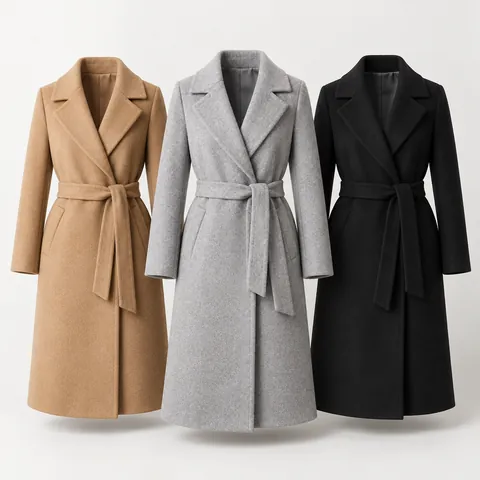 Women’s wool coats
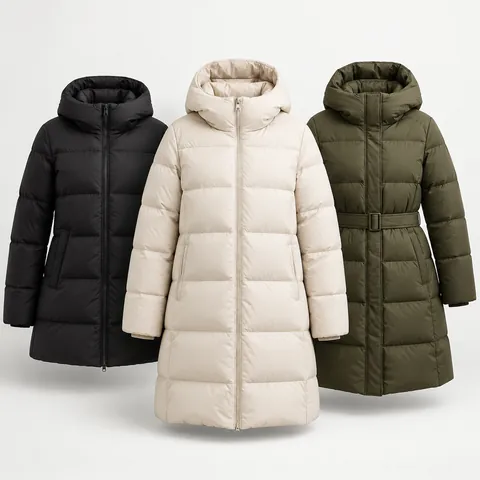 Women’s puffer and down coats
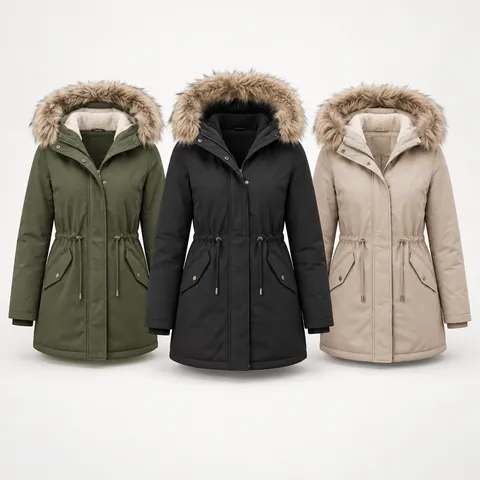 Women’s parkas
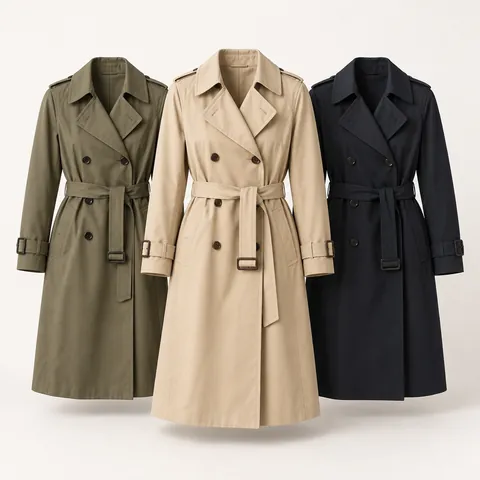 Trench coats
Before you buy
- Measure bust, waist and hips and compare with the size chart.
- Check fabric composition and insulation details.
- Check waterproofing if needed.
- Read care instructions.
- Check the return window and who pays return shipping.
Categories referenced on this site
Trying on in store
Wear or bring the layers you normally wear under a coat, and move around: reach, sit and cross your arms.
Where is the best place to buy a women’s coat?
The best place depends on how certain you are about size, how quickly you need the coat, and whether you need a technical feature such as down insulation, a removable hood, or a waterproof shell. If fit is uncertain, a store with easy returns or a local fitting room is usually safer than chasing the lowest listed price.
| Place to buy | Best for | Trade-offs to check |
|---|---|---|
| Large online retailers | Broad selection, many sizes, fast comparison across coat types | Listings can vary by seller, so check the exact fabric, fill, return policy, and shipping source |
| Department stores | Dress coats, wool blends, trenches, and work-appropriate styles | Seasonal selection may narrow quickly, and petite, tall, or plus sizes may be limited in store |
| Outdoor and sporting goods retailers | Parkas, puffers, rain shells, and insulated coats for cold or wet weather | Technical terms can be confusing; confirm warmth, water resistance, and intended activity level |
| Brand websites | Full color range, current-season styles, and detailed size guides | Return shipping, final-sale rules, and exchange timing vary by brand |
| Resale and consignment | Higher-end wool, leather, or designer coats at lower cost than new | Condition, alterations, odors, missing belts, and return limits need extra attention |
For straightforward browsing, category pages can save time. Start with women’s wool coats for dressier cold-weather wear, women’s puffer and down coats for lightweight warmth, or women’s parkas if you need more coverage in wind, snow, or freezing rain.
How to compare coat listings before you order
Coat listings often use broad words such as warm, cozy, waterproof, or premium. Treat those as starting points, not proof. Look for the measurable details that explain how the coat is built and whether it matches your climate.
- Outer fabric: Wool, polyester, nylon, cotton, and blends all wear differently. Wool looks polished but may need dry cleaning. Nylon and polyester shells are common on puffers and parkas because they resist wind and shed light moisture.
- Lining: A smooth lining helps the coat slide over sweaters and blazers. An unlined or partially lined coat can feel less bulky but may catch on textured layers.
- Insulation: Down is light and compressible, while synthetic insulation usually handles damp conditions better. If the listing names fill power, remember that higher fill power describes loft, not the total amount of insulation in the coat.
- Closure: A zipper blocks drafts better when it reaches high on the neck. Snaps, buttons, storm flaps, and double zippers affect warmth, ease of sitting, and how quickly you can open the coat.
- Hood and collar: A removable hood adds flexibility. A high collar or adjustable hood matters more in wind than it does for short car-to-door wear.
- Pockets: Check whether pockets zip, snap, or sit deep enough for a phone, gloves, or keys. Decorative flap pockets may not be as useful as they look.
- Length: Cropped and hip-length coats are easy to drive in. Mid-thigh and knee-length coats cover more of the body but can feel restrictive if the cut is narrow.
- Care: Dry-clean-only care can add time and ongoing cost. Machine-washable puffers and parkas still may need special drying instructions to restore loft.
When two coats look similar, compare the least glamorous details first: fabric content, lining, closure, length, and return terms. Those usually affect everyday satisfaction more than color names or styled photos.
When to buy a women’s coat
The right buying time depends on whether you need the best selection or the deepest discount. If your size or preferred color is hard to find, shop earlier in the cold-weather season. If you can be flexible on color, length, or brand, end-of-season shopping can be worth considering.
- Shop early if you need a specific use case, such as a long black wool coat for work, a waterproof winter parka, or a petite down coat with a hood.
- Shop before a trip if the coat must arrive, fit, and be wearable before you leave. Leave enough time for an exchange because coat sizing can vary widely by cut.
- Shop off-season if you already own a serviceable coat and can wait. Selection may be thinner, but classic colors and less trend-driven styles can still be good buys.
- Be careful with final-sale coats. A low markdown is not helpful if the sleeves are wrong, the shoulders pull, or the fabric feels scratchy.
- If you are between sizes, avoid waiting until the last possible day before cold weather. Popular sizes can disappear first in basic colors.
For the most practical wardrobe, buy the coat that matches your most common weather, not the most extreme day of the year. If you commute on foot, warmth and weather protection matter more. If you mostly drive, comfort while seated and ease of movement may matter more than maximum insulation.
How to check fit when your coat arrives
Try the coat on at home before removing tags. Use the same layers you expect to wear most often, then move through normal daily positions. A coat can look correct in a mirror but still fail when you sit, carry a bag, or reach for a steering wheel.
- Shoulders: The shoulder seam should sit close to your natural shoulder on structured coats. Dropped shoulders can be intentional, but they should not make the sleeve twist or pull.
- Bust and upper back: Button or zip the coat fully. If fabric strains across the chest or back when you cross your arms, size up or choose a roomier cut.
- Sleeves: Sleeves should cover your wrist when your arms are down. For winter coats, a little extra length helps cover gloves, but sleeves should not swallow your hands unless that is part of the design.
- Armholes: Tight armholes make a coat feel small even when the body fits. Raise both arms and reach forward to check for pinching.
- Hem: Walk and sit while the coat is closed. A narrow hem on a long coat can make stairs, cars, and public transit uncomfortable.
- Neck and hood: Zip or button the coat to the top. Make sure the collar does not rub your chin in a way that will bother you over time.
- Weight: Wear the coat for several minutes indoors. A very heavy coat can feel luxurious at first but tiring during errands or commuting.
If you order more than one size, keep packaging organized until you decide. Photograph labels or note the seller and order number for each coat, especially if multiple items arrive in separate shipments.
Red flags in online coat listings
A coat listing does not have to be perfect, but certain gaps should make you slow down. Missing information matters more when the coat is expensive, needed for harsh weather, or difficult to return.
- No fabric content listed, or only vague phrases such as wool-like or down alternative without explaining the material.
- No clear back view, side view, or photo of the coat closed from top to bottom.
- Size chart uses only small, medium, and large without garment measurements or body measurement guidance.
- The product title promises waterproof performance, but the description only says water resistant or does not mention seams, shell fabric, or intended weather.
- Care instructions are missing, especially for wool, faux fur trim, down, leather, or coated fabrics.
- Return language is unclear, or the item is marked final sale, special order, or returnable only to a marketplace seller.
- Reviews repeatedly mention the same issue, such as sleeves running short, shedding, broken zippers, or strong odor.
If a listing is unclear, choose a retailer with a better description or contact customer service before ordering. For coats, guessing wrong can mean paying return shipping on a bulky package.
Frequently asked questions
Is it better to buy a women’s coat online or in store?
Buying in store is better when you are unsure about fit, sleeve length, or how heavy the coat feels. Buying online is better when you need more sizes, colors, or specialty options than local stores carry. If you buy online, prioritize retailers with clear size guidance and reasonable returns.
Should I size up when buying a winter coat?
Size up only if your usual size feels tight over the layers you actually wear. A coat that is too large can let in drafts, look sloppy, and restrict movement if the shoulders fall wrong. The best fit closes comfortably over layers without pulling across the bust, back, or hips.
What type of coat should I buy for everyday winter wear?
For everyday cold weather, a puffer or parka is usually more practical than a dress coat because it is lighter, warmer for its weight, and often better in wind or wet conditions. A wool coat is a good choice for work, events, and milder winter days. Choose based on your commute, local weather, and how often you need to dress up.
Can I return a coat after wearing it outside?
Many retailers require returned coats to be unworn, unwashed, and still tagged. Trying it on indoors is usually safer than wearing it outside and hoping to return it later. Always read the return policy before removing tags, especially for sale or marketplace items.
What coat details are worth paying extra attention to?
Focus on the zipper or buttons, lining, pockets, hood, sleeve length, and care instructions. These details affect daily use more than a coat’s name or styling photos. If any of them are unclear in the listing, look for more information before buying.
Disclosure: As an Amazon Associate I earn from qualifying purchases. This site may earn a commission when you buy through its links, at no extra cost to you. Product details come from public manufacturer information; always check the merchant page for current specifications and prices. We have not hands-on tested the products described here.